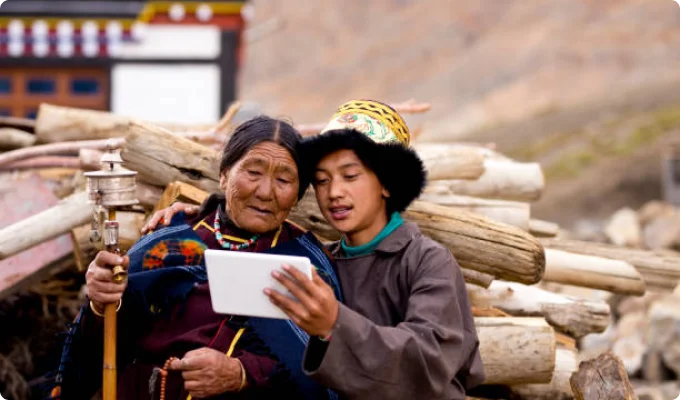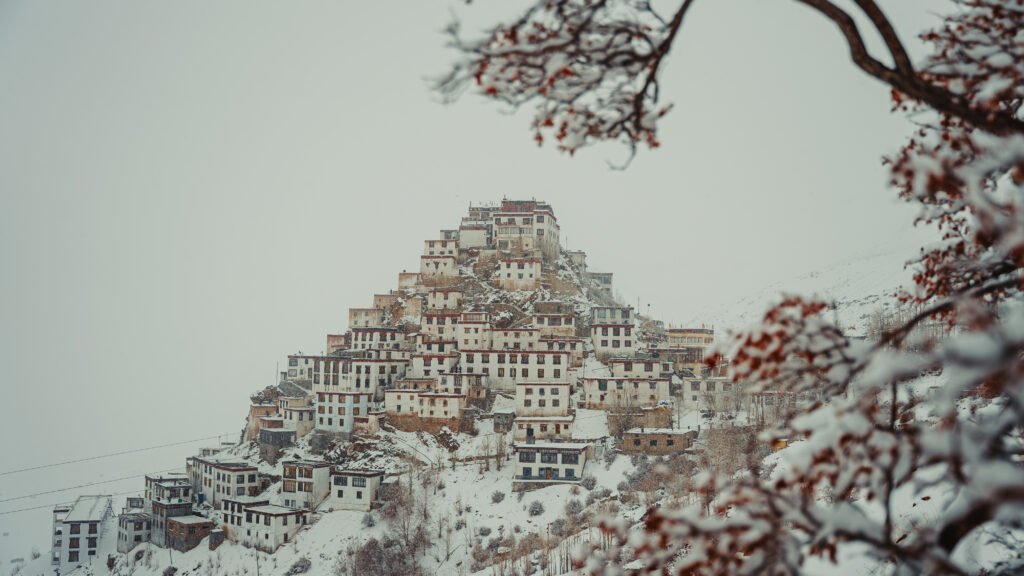
In a world that is rapidly becoming a global monoculture, the Himalayas remain one of the last bastions of distinct, resilient human identity. For us at Wolfpack Adventure, a journey through these ranges isn’t just about the “view”—it’s about the lineage of survival. To ride here without understanding the culture is to see the theater but miss the play.
The Architecture of Survival

The Himalayas are the highest mountain range on Earth, but their complexity lies in their verticality. As altitude increases, the air thins, and the rules of human life change.
The Lowlands to the High Desert: You move from the lush, terraced greenery of the lower Himachal to the brutal, wind-scoured rain shadows of Ladakh and Spiti.
Adaptation: Understanding how humans have survived here for centuries—using dry-stone masonry to withstand seismic shifts and diverting glacial melt through ancient irrigation systems—changes how you view the landscape. You aren’t just looking at a mountain; you’re looking at a fortress of human endurance..
2. Tribal Versatility: A Cultural Kaleidoscope
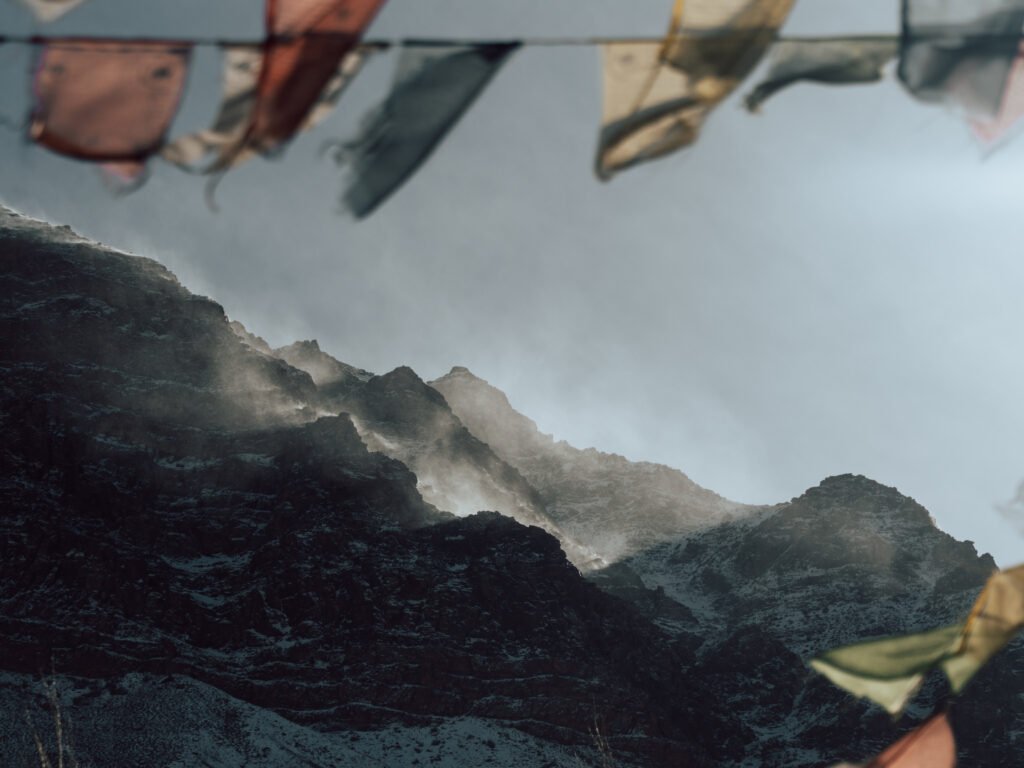
The diversity of the Himalayan people is as varied as the terrain. From the Gaddi shepherds of the Dhauladhar to the Buddhist clans of Zanskar, the culture is a direct reflection of the geography.
Spiritual Geography: In these regions, the mountains aren’t just rocks; they are the abodes of deities. This spiritual connection dictates the timing of harvests, the routes of migration, and the hospitality offered to a weary traveler.
The Lineage of Resilience: These tribes have maintained their traditions not out of stubbornness, but because these “old ways” are the most efficient methods of surviving sub-zero winters and isolated mountain life.
3. The ADV Perspective: Respecting the Path
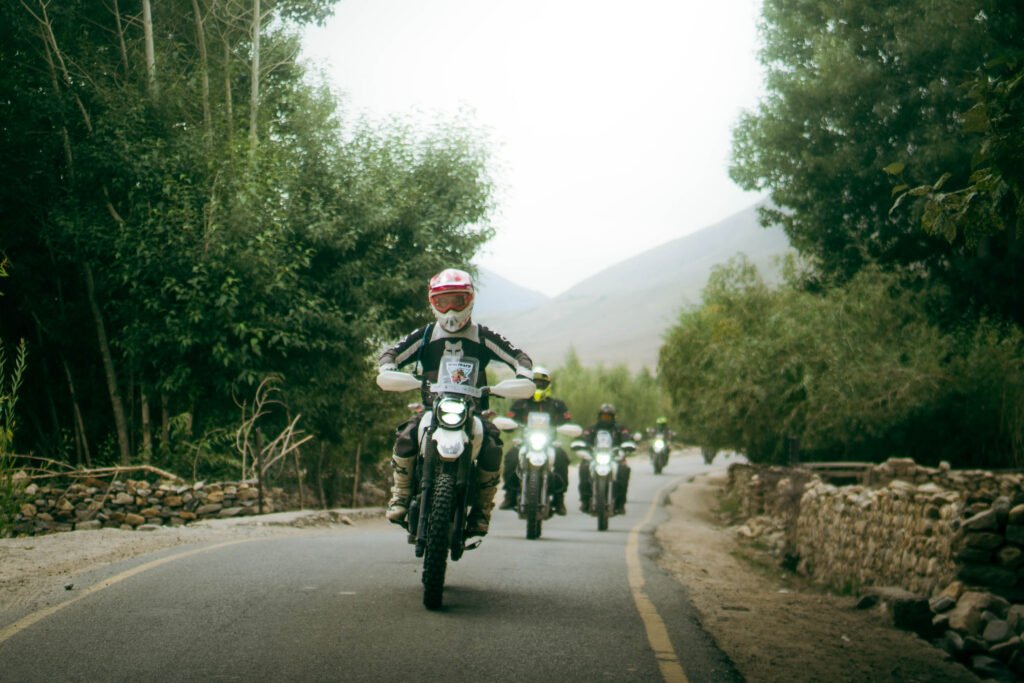
When you ride a motorcycle through these regions, you are traversing paths that were carved by hand and hoof long before engines existed.
Terrain as a Teacher: The “slush” of the Rohtang or the “scree” of the Shinku La aren’t just obstacles; they are the natural defenses of a land that demands respect.
The Value of Connection: Stopping to share salt tea in a stone hut isn’t a “tourist activity”—it is a bridge to understanding a way of life that is being pressured by the modern world.
Technical Insight: > Traveling from an altitude of 2,000m to over 5,000m in a single day (as we often do in the Zanskar circuit) provides a firsthand lesson in biological and cultural adaptation. You witness the transition from timber-framed Kath-Kuni architecture to the mud-brick solar-passive homes of the high plateau.
Conclusion: Why It Matters
Admiring the beauty of the Himalayas is easy. Understanding the linage and values of its people is the real challenge. When you understand how a community survives a seven-month winter in total isolation, your perspective on “luxury” and “necessity” shifts forever.
This isn’t just a tour. It’s a technical induction into a world that refuses to be homogenized.